Activities That Help Children Build Confidence
Confidence doesn’t show up all at once. It grows slowly, through small moments of trying, failing, and trying again.
The good news? You don’t need special tools or a big plan. Everyday activities can do a lot.
This guide shares ten simple ways to help children build confidence. They work for kids ages 4 to 10. Parents, teachers, and homeschoolers can all use them.
What Does Confidence Really Mean for Kids?
Confidence isn’t about being loud or fearless. It’s the quiet belief that “I can try, and I can handle what happens.”
A confident child still feels nervous sometimes. They just know they can take the next small step.
That’s an important idea. Kids don’t need to stop feeling scared. They need to learn that fear and courage can live side by side.
Easy activities for ages 4–10
10 Activities That Help Children Build Confidence
Read Stories About Courage Together
Stories let children practice bravery from a safe place. They see a character feel worried, then keep going anyway.
After reading, talk about it. Ask simple questions:
- How do you think the character felt?
- What helped them feel braver?
- Have you ever felt that way?
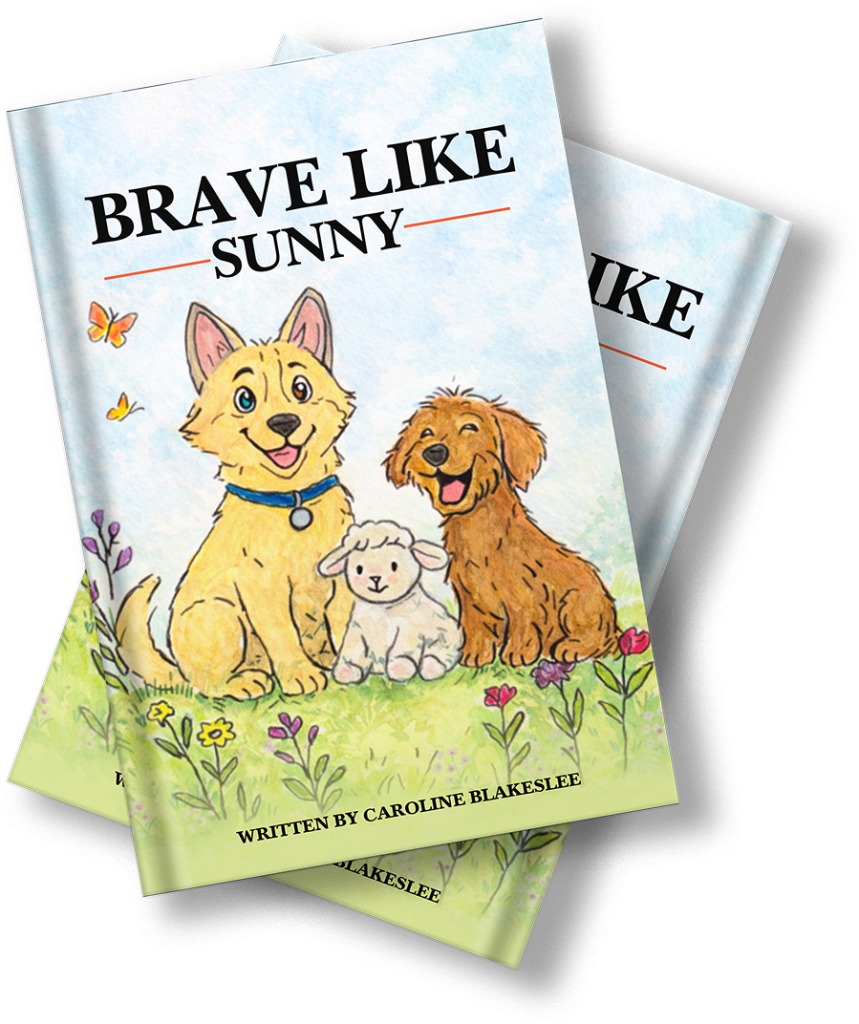
Brave Like Sunny is a gentle example. Sunny is a little dog who learns that bravery isn’t about being fearless. Some days call for courage. Some days call for rest. Both are okay.
Picture books like this make big feelings easier to talk about. They also make great bedtime stories.
Offer Small Choices
Choices help children feel capable. They learn that their voice matters.
Keep the choices small and simple:
- “Do you want the red cup or the blue cup?”
- “Should we read first or draw first?”
- “Which path should we take on our walk?”
Two options work best. Too many can feel overwhelming.
Give Them Real Jobs
Kids love to feel useful. A real job tells them, “We trust you.”
Try age-appropriate tasks:
- Setting the table
- Watering plants
- Helping pack a lunch
- Feeding a family pet, with a grown-up nearby
Let them do it their way, even if it’s not perfect. The goal is ownership, not perfection.
Try New Things in Small Steps
A big challenge can feel scary. A small step feels doable.
Say your child is nervous about swimming, a school play, or a new friend. Break it into tiny pieces. Visit the pool first. Dip their toes. Then try the shallow end.
Each small win builds courage for the next one.
Praise Effort, Not Just Results
“You got an A!” feels nice. But “I saw how hard you worked on that” lasts longer.
Praising effort teaches kids that growing matters more than winning. It helps them keep going when things get hard.
Try phrases like:
- “You didn’t give up.”
- “That took courage.”
- “I love how you kept trying.”
Let Them Create
Art, music, and storytelling let children express themselves without rules. There’s no wrong answer.
Offer simple supplies:
- Crayons, markers, or watercolors
- Paper for drawing or making tiny “books”
- A box of dress-up clothes
- A puppet or stuffed toy for storytelling
Then display what they make. Hang it on the fridge. Tape it to a classroom wall. Seeing their work valued builds pride.
Start a “Brave Moments” Jar
This one is simple and sweet.
Keep a jar and some slips of paper. When your child does something brave, write it down together. Drop it in the jar.
Brave moments can be big or small:
- Raising a hand in class
- Saying hello to someone new
- Trying a food they didn’t like
- Asking for help
On a hard day, read a few slips aloud. It’s proof that they’ve been brave before.
Role-Play Tricky Situations
Practice makes new situations less scary. Role-play lets kids rehearse in a safe space.
Act out moments like:
- Introducing themselves to someone new
- Asking a teacher a question
- Saying “no thank you” politely
- Joining a game at recess
Stuffed animals work well here. A child may feel braver speaking through a favorite toy.
Make Space for Rest
Confidence isn’t built by pushing nonstop. Kids also need time to recharge.
Some days feel heavy. A quiet afternoon, a cuddle with a favorite stuffed friend, or an early bedtime can help. Rest isn’t giving up. It’s getting ready to try again tomorrow.
This is a big theme in Brave Like Sunny. Sometimes the bravest choice is taking a nap and starting fresh.
Practice Kindness and Teamwork
Helping others builds confidence in a special way. Kids see that they matter.
Try activities like:
- Making a card for a friend or neighbor
- Helping a younger child with a task
- Playing cooperative games
- Walking or caring for a pet together
Friendship also makes us braver. Sunny faces hard days with help from his friends Otis and Bootsie. Having people in your corner makes courage easier to find.
Tips for Parents, Teachers, and Homeschoolers
Every setting is different. Here are a few ways to use these ideas.
At home: Pick one activity a week. Keep it light and low-pressure.
In the classroom: Use a courage-themed read-aloud to start a talk about feelings. Add a quick drawing or journaling activity afterward.
For homeschoolers: Blend these ideas into your daily rhythm. A story, a craft, and a short chat can fit into one morning.
For counselors and SEL educators: Picture books give children simple words for big emotions. Pair a story with role-play or a “brave moments” activity.
A Few Gentle Reminders
- Every child grows at their own pace.
- Don’t rush or compare.
- Stay patient when they feel stuck.
- Be a calm example. Kids learn a lot by watching you handle hard moments.
Confidence builds from many small, steady experiences. You’re already helping by showing up.
Read a Story About Finding Courage Together
If you’d like a cozy story to start the conversation, try Brave Like Sunny. It’s a heartwarming picture book about a little dog who learns that bravery looks different every day.
It’s perfect for bedtime, classroom read-alouds, and anyone who needs a reminder that it’s okay to rest and try again tomorrow.
Frequently Asked Questions
Quick answers to common questions about helping children feel more confident.
What are good confidence-building activities for preschoolers?
Simple choices, real jobs, art, pretend play, and reading together all work well. Keep activities short and playful.
How can I help a shy child feel more confident?
Go slowly. Practice at home first, offer small steps, and praise effort. Avoid pushing them into the spotlight before they’re ready.
Can picture books help build a child’s confidence?
Yes. Stories show children characters who feel nervous and try anyway. That helps kids see that they can do the same.
What age are these activities best for?
They work well for ages 4 to 10. You can adjust the difficulty for younger or older children.