Books That Teach Confidence and Resilience
Heartwarming picture books that help children handle mistakes, believe in themselves, and discover the courage to try again.
Every child hits a hard moment. A drawing doesn’t turn out right. A tower of blocks keeps falling. A friend says something unkind.
What happens next matters. Does the child give up, or do they take a breath and try again?
That’s where confidence and resilience come in. These skills don’t appear overnight. They grow slowly, and stories can help them along.
This post shares picture books that teach confidence and resilience in warm, memorable ways. They work well for ages 4 to 10, at bedtime, in the classroom, or at the kitchen table.
Confidence and Resilience: What’s the Difference?
The two ideas go hand in hand, but they aren’t quite the same.
Confidence
Confidence is the belief that “I can try.” It helps a child raise a hand, join a game, or start something new.
Resilience
Resilience is what happens after things go wrong. It’s the ability to bounce back, learn from a mistake, and keep going.
A child needs both. Confidence gets them started. Resilience helps them continue when the road gets bumpy.
The good news is that children can learn both skills. And picture books are one of the gentlest ways to teach them.
Why Stories Work So Well
Lectures about perseverance rarely land with kids. Stories do.
When a child follows a character through a struggle, they feel it alongside them. They worry when the character worries. They cheer when the character finally succeeds.
Best of all, they learn without feeling lectured. They see that mistakes are normal and that trying again is part of the process.
A story also gives families and teachers an easy way to talk about hard feelings. It’s often easier for a child to say “the character felt embarrassed” than “I felt embarrassed.”
Picture Books That Build Confidence
Let’s start with stories that help children believe in themselves.
Brave Like Sunny
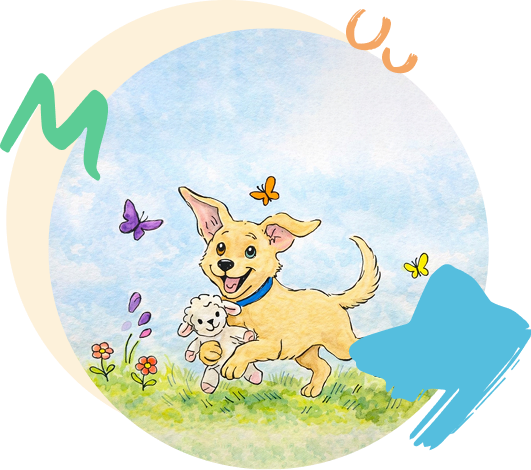
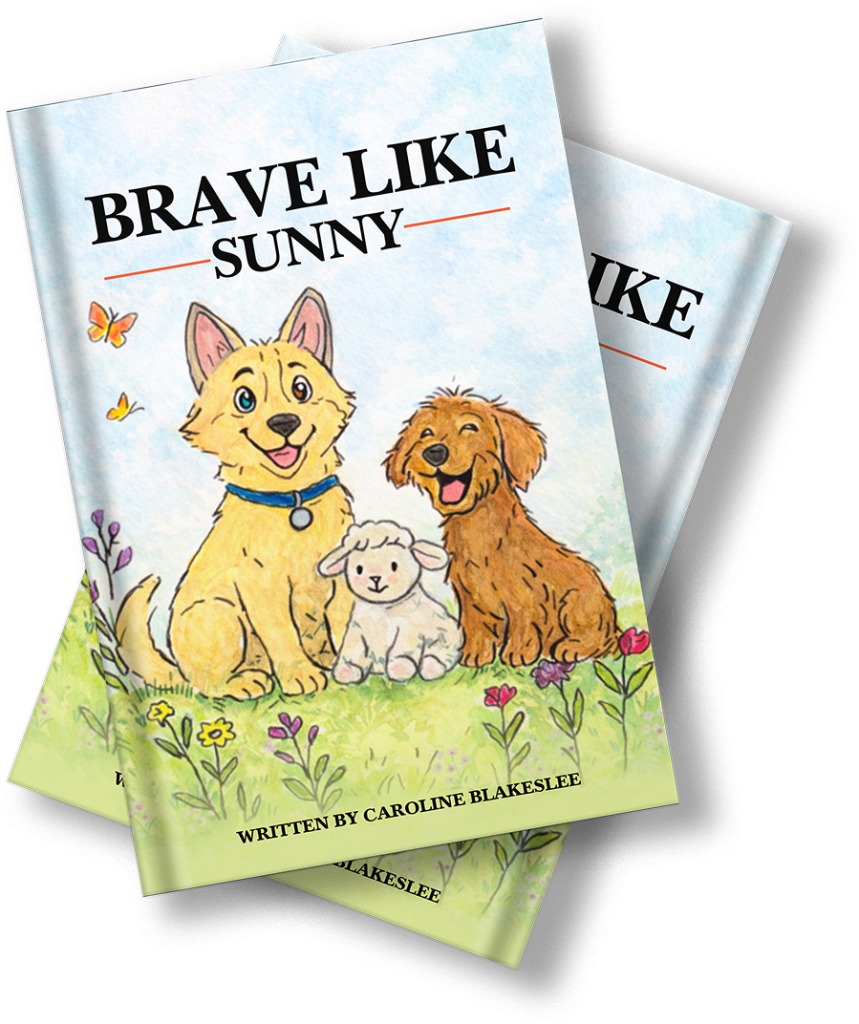
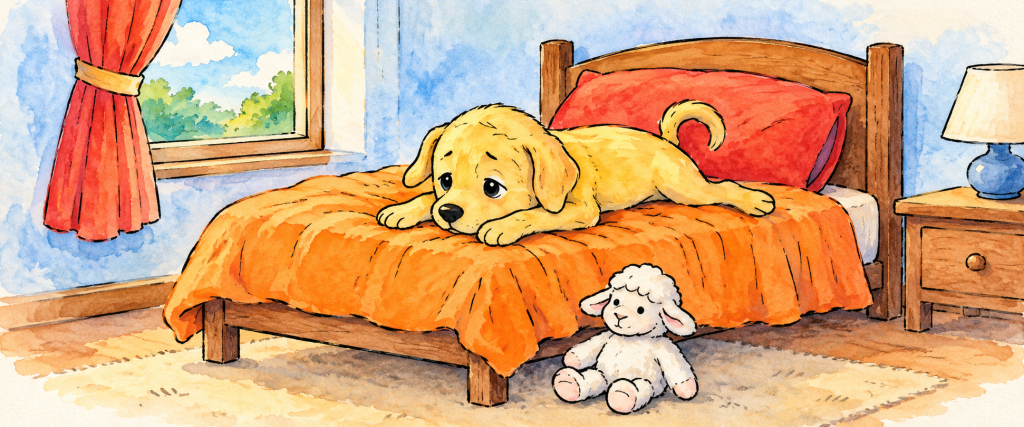
Brave Like Sunny follows a little dog named Sunny, who learns that not every day feels the same. Some days are full of laughter. Some days call for rest. And some days ask for a little extra courage.
With help from his friends Otis and Bootsie, and his favorite toy Lambie, Sunny finds that confidence isn’t about feeling strong all the time. It’s about showing up, even when things are hard, and trying again tomorrow.
That message is especially comforting for children who feel they have to be perfect. Sunny shows them that rest and gentleness are part of being brave, too.
The Dot
Vashti is sure she can’t draw. Her art class begins, and she stares at a blank page.
Her teacher doesn’t scold her. She simply asks Vashti to make a mark and see where it goes. Vashti jabs a dot on the paper. Then her teacher hangs it on the wall.
That small act of kindness changes everything. Vashti starts to explore, and soon she’s making dots of every color and size. It’s a simple, joyful story about how one encouraging adult can unlock a child’s confidence.
Jabari Jumps
Jabari is ready to jump off the diving board. He says so himself. But when he climbs the ladder and looks down, his stomach starts to flutter.
His dad doesn’t push him. He offers calm, patient support, and Jabari takes his time. He even climbs back down for a moment before trying again.
The book shows that being nervous and being ready can happen at the same time. It’s a great pick for children facing a new challenge, from swim lessons to school plays.
Picture Books That Build Resilience
Now let’s look at stories about mistakes, frustration, and bouncing back.
After the Fall
Everyone knows what happened to Humpty Dumpty. But what happened after?
In this story, Humpty is afraid of heights after his fall. He gives up the thing he loved most, which is watching birds from the top of the wall. Slowly, with a creative idea and a lot of courage, he finds a way to climb up again.
It’s a thoughtful book about fear after a setback. Children who have had a scary or embarrassing experience often feel understood by it.
Rosie Revere, Engineer
Rosie loves to invent, but she keeps her creations hidden. She’s afraid of being laughed at.
When her great-great-aunt visits, Rosie builds a flying machine. It lifts off for a moment, then crashes. Rosie feels like a failure. Her aunt sees it differently. She says the flight was a success, because it flew before it fell.
The story teaches that mistakes are part of learning. It’s an inspiring choice for kids who love building things and for classrooms that celebrate trying.
The Most Magnificent Thing
A little girl and her dog assistant have a wonderful idea. She’s going to make the most magnificent thing.
But it doesn’t turn out how she pictured. She tries again and again. She gets frustrated, then truly angry. Finally, she takes a walk with her dog to cool down.
When she returns, she looks at her work with fresh eyes. The book is wonderful for talking about frustration. It shows that taking a break is not quitting. Dog lovers will also enjoy the loyal canine helper.
Beautiful Oops!
In this playful, interactive book, every mistake becomes something new. A torn page turns into an alligator’s mouth. A spill becomes a splash of color.
Kids love the flaps, folds, and pop-ups. They also absorb a message they’ll carry for years: a mistake can be the start of something creative.
What Do You Do With a Problem?
A child has a problem. It follows them everywhere, and the more they worry, the bigger it gets.
Then, finally, the child chooses to face it. They discover that the problem holds something good inside, like an opportunity.
It’s a quiet book with beautiful illustrations. It works well for children who tend to worry, and for older readers around ages 7 to 10.
Classic Stories About Never Giving Up
A few older favorites still teach these lessons beautifully.
Whistle for Willie
Peter wants to whistle so he can call his dog, Willie. He tries and tries, but only air comes out.
He keeps practicing, even while trying clever tricks to feel more grown-up. Then, at last, he makes a sound. It’s a sweet, simple story about the joy of sticking with something hard.
The Little Engine That Could
Many families know this one by heart. A small engine has to pull a long train over a steep hill.
“I think I can” turns into a rhythm that children love to chant. It’s an easy way to teach the power of positive self-talk.
How to Turn Reading Time Into Confidence Time
The story is only half the magic. The conversation afterward is where children make the lessons their own.
Try asking gentle, open questions. What was hard for the character? What helped them keep going? Did you ever feel that way? Let your child lead, and don’t rush to fix their feelings.
Simple Activities After Reading
- Draw a favorite scene from the story.
- Act out a tricky moment with stuffed animals.
- Share one thing you tried this week, even if it didn’t work.
- Talk about a time you made a mistake and tried again.
Small activities help too. Your child could draw their favorite scene, act out a tricky moment with stuffed animals, or share one thing they tried this week, even if it didn’t work. If you’d like more ideas, take a look at our post on activities that help children build confidence .
It also helps to model resilience yourself. Share a time you made a mistake and tried again. Kids learn a lot from watching how the grown-ups around them handle setbacks.
For teachers, librarians, and counselors, these books fit naturally into social-emotional learning lessons. A short read-aloud, one question, and a quick drawing can fit into a busy school day.
If you’re also looking for stories about courage, our guide to the best children’s books about bravery is a good next step.
Final Thoughts
Confidence and resilience grow through small, steady moments. A child tries something new. It goes wrong. They feel the sting, then try again with a little more courage.
Books can’t do that work for them. But they can walk beside them. They can show that everyone struggles, everyone makes mistakes, and everyone gets to try again.
If you’re looking for a cozy place to begin, Brave Like Sunny is a heartwarming story about hope, friendship, and finding sunshine on cloudy days. It’s available now on Amazon.
Discover Brave Like SunnyFrequently Asked Questions
Helpful answers for parents, teachers, and caregivers looking for children’s books about confidence and resilience.
How do picture books teach resilience?
They show characters who struggle, make mistakes, and try again. Children see that setbacks are normal and that effort leads to growth.
What age are these books best for?
Most work well for ages 4 to 8. Several, like What Do You Do With a Problem?, also appeal to children up to age 10.
Can reading help a child who is afraid of failure?
Yes, it can help. Stories about mistakes show kids that failing is part of learning. Pair the book with a calm chat about your child’s own experiences.
What are good confidence books for bedtime?
Gentle, soothing stories work best. Brave Like Sunny and The Dot have a calm pace that helps children settle down while still leaving them with something encouraging to think about.